
Rental Property Key Control: A Practical Tracking Procedure
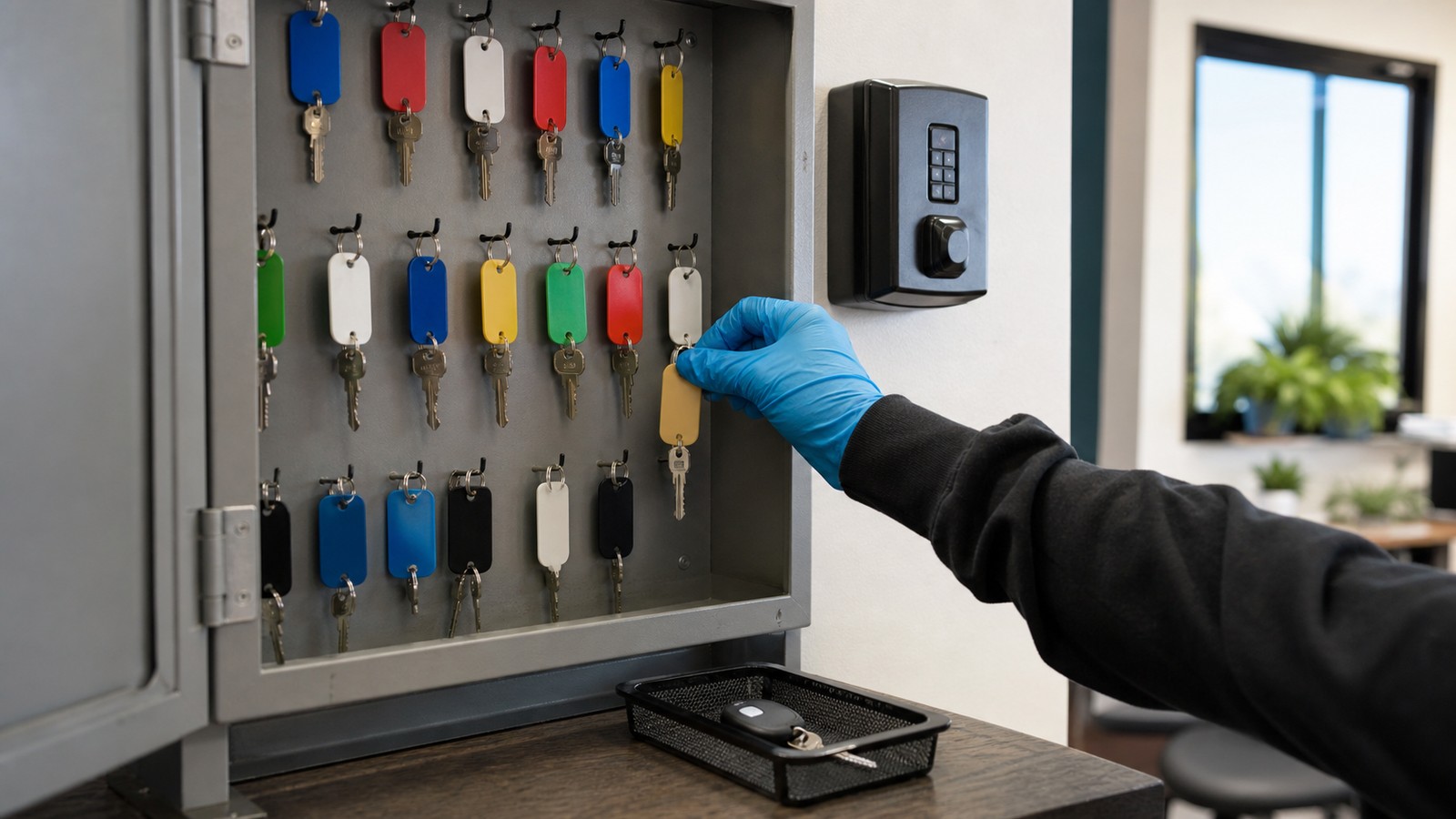
A controlled process for issuing, storing, returning, auditing, and escalating missing physical and electronic access credentials.
This article offers general educational information about key and access control, not legal, tax, financial, insurance, engineering, or other professional advice. Adapt the workflow to the property, approved company procedures, contracts, and applicable requirements.
Define the result before choosing the steps
The operating goal of the rental property key control procedure is to make occupied-unit inspections consistent, respectful, properly scoped, and useful for maintenance follow-up.
Gather the minimum reliable intake
- Verified notice and access requirements.
- Inspection purpose and scope.
- Property-specific risk history.
- Approved checklist and escalation contacts.
Mark unknown information as unknown and assign follow-up. Do not fill gaps with assumptions merely to complete a form. If a missing fact changes safety, authorization, cost, access, or compliance, the procedure should stop or escalate until the responsible person reviews it.
A step-by-step rental property key control procedure process
1. Verify the authority and notice
Confirm the planned entry, timing, delivery method, and exceptions against current policy and applicable requirements before the visit.
2. Set a limited scope
Define what the inspection is intended to observe. Avoid turning a focused maintenance visit into an unrelated search.
3. Prepare the route
Organize units and shared areas efficiently, confirm access details, and identify conditions that require a second staff member or specialist.
4. Open with expectations
Explain the purpose, approximate duration, and how maintenance concerns will be recorded. Keep the interaction professional and direct.
5. Observe consistently
Use the same room sequence and checklist while allowing property-specific items. Record visible facts and resident-reported concerns separately.
6. Triage findings
Separate urgent safety or active-damage conditions from routine repairs, monitoring items, and cosmetic observations.
7. Communicate next steps
Tell the resident what will happen next without promising an unapproved repair date or outcome.
8. Close every finding
Create linked work, record deferrals, confirm completion, and retain the inspection record under the approved policy.
See the decision path in context
If the inspector sees staining but no active moisture, the note should describe location and visible condition, include a useful photo, record any resident report, and assign appropriate follow-up rather than declaring a cause on sight.
Keep a record another team member can use
The record created by the rental property key control procedure should explain the work without requiring access to one employee's memory or personal inbox. Use approved systems and access controls, collect only information the process needs, and connect related records rather than copying sensitive details into multiple places.
At minimum, consider capturing:
- Notice verification.
- Inspection date and participants.
- Room-by-room observations.
- Photos tied to locations.
- Work orders and priorities.
- Resident communication and closure.
Completion should be a defined state. A sent email, created task, dispatched vendor, or drafted document may be progress, but none automatically proves that the intended result occurred. State what evidence closes the item and what happens when the evidence is missing.
Use a simple quality-control review
When the process changes, note the effective date and update the checklist, templates, and training together. Avoid silently editing historical records to match the new approach. The history is useful evidence of what the team knew and did at the time.
Common mistakes to avoid
- Using vague notes such as 'all good'.
- Photographing unrelated personal items.
- Promising work before scope approval.
- Failing to distinguish urgent and routine findings.
- Completing the inspection record without closing linked repairs.
Related reading: A Leasing Agent’s Guide to Inspecting Scary, Dark Basements.
Conclusion
Use the rental property key control procedure steps above to review one current file or open task this week. Identify the first missing handoff, assign an owner, and update the working checklist. Subscribe to Property Professional Blog for more practical ways to make day-to-day property operations clearer and easier to manage.