
Security Deposit Documentation Audit: A File Review Checklist
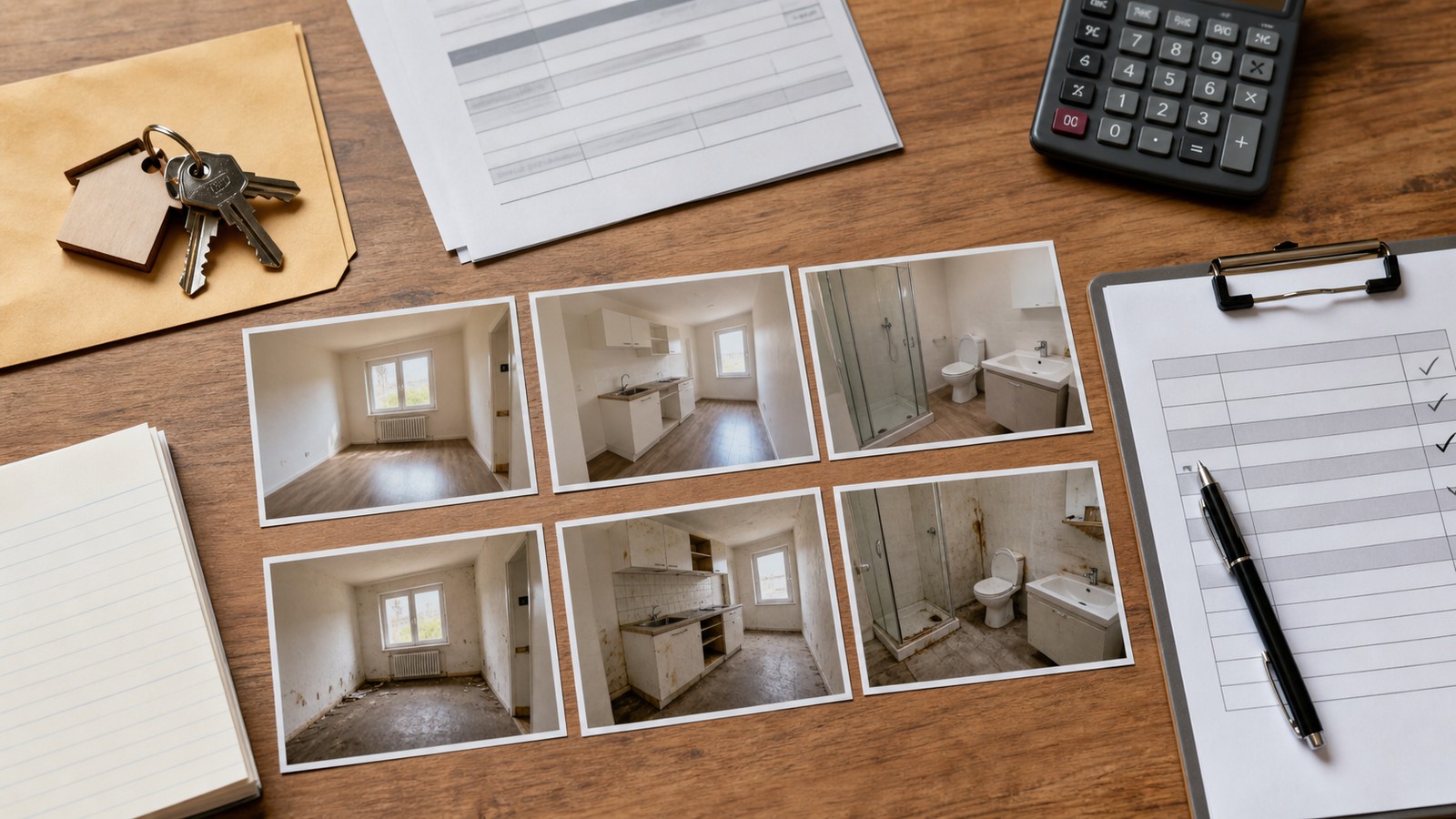
A jurisdiction-neutral file audit covering receipts, condition records, communications, invoices, timelines, approvals, and retention practices with a legal-information disclaimer.
This article offers general educational information about security deposit recordkeeping, not legal, tax, financial, insurance, engineering, or other professional advice. Adapt the workflow to the property, approved company procedures, contracts, and applicable requirements.
Define the result before choosing the steps
The operating goal of the security deposit documentation checklist is to make deposit-related records complete, traceable, and ready for a jurisdiction-specific review without drawing unsupported legal conclusions.
Gather the minimum reliable intake
- Executed lease and deposit terms.
- Receipts and ledger history.
- Move-in and move-out condition records.
- Communications, invoices, approvals, and applicable timeline guidance.
Mark unknown information as unknown and assign follow-up. Do not fill gaps with assumptions merely to complete a form. If a missing fact changes safety, authorization, cost, access, or compliance, the procedure should stop or escalate until the responsible person reviews it.
A step-by-step security deposit documentation checklist process
1. Define the audit scope
Identify the property, tenancy, deposit types, review period, governing procedure, and the qualified resource used for current local requirements.
2. Confirm receipt records
Match amounts, dates, payment references, receipts, and ledger entries while preserving corrections rather than erasing the original trail.
3. Check condition evidence
Locate the original move-in record, resident additions, move-out documentation, dated photos, keys, and linked work without assuming every condition supports a charge.
4. Trace each proposed deduction
Connect the description, location, decision, approval, invoice or other support, and calculation under the approved review process.
5. Review communications
Confirm required addresses, delivery records, resident questions, dispute routing, and follow-up ownership are present and understandable.
6. Verify timelines with current guidance
Use qualified jurisdiction-specific resources for deadlines, notices, permitted handling, and required wording; do not rely on a generic checklist for legal conclusions.
7. Reconcile the final record
Compare the approved disposition with the ledger, payment or refund evidence, notices, and retained file so the amounts tell one coherent story.
8. Record and correct process gaps
Classify missing or inconsistent items, assign remediation, and improve the prospective checklist without fabricating or backdating evidence.
See the decision path in context
An invoice may identify work but still fail to show that the condition, responsibility decision, amount, notice, and final ledger treatment were reviewed under the approved process. The audit connects those separate records and flags gaps for qualified review.
Keep a record another team member can use
The record created by the security deposit documentation checklist should explain the work without requiring access to one employee's memory or personal inbox. Use approved systems and access controls, collect only information the process needs, and connect related records rather than copying sensitive details into multiple places.
At minimum, consider capturing:
- Deposit amount and receipt trail.
- Lease and jurisdiction review reference.
- Condition records and attachments.
- Deduction support and approval.
- Communications and delivery evidence.
- Final ledger, payment, and retention record.
Completion should be a defined state. A sent email, created task, dispatched vendor, or drafted document may be progress, but none automatically proves that the intended result occurred. State what evidence closes the item and what happens when the evidence is missing.
Use a simple quality-control review
When the process changes, note the effective date and update the checklist, templates, and training together. Avoid silently editing historical records to match the new approach. The history is useful evidence of what the team knew and did at the time.
Common mistakes to avoid
- Treating a repair invoice as a complete deduction decision.
- Using move-out photos without the move-in baseline.
- Calculating deadlines from memory.
- Rewriting an incomplete historical file.
- Storing the only supporting evidence in a vendor or employee inbox.
Related reading: Navigating the Tough Waters of Tenant Complaints: A Guide for Property Managers.
Conclusion
Use the security deposit documentation checklist steps above to review one current file or open task this week. Identify the first missing handoff, assign an owner, and update the working checklist. Subscribe to Property Professional Blog for more practical ways to make day-to-day property operations clearer and easier to manage.